Endless Life
2025.11.23
National Art Museum of China
Beijing, China
“Endless Life” Solo Exhibition by Dai Ying Grandly Opens at the National Art Museum of China
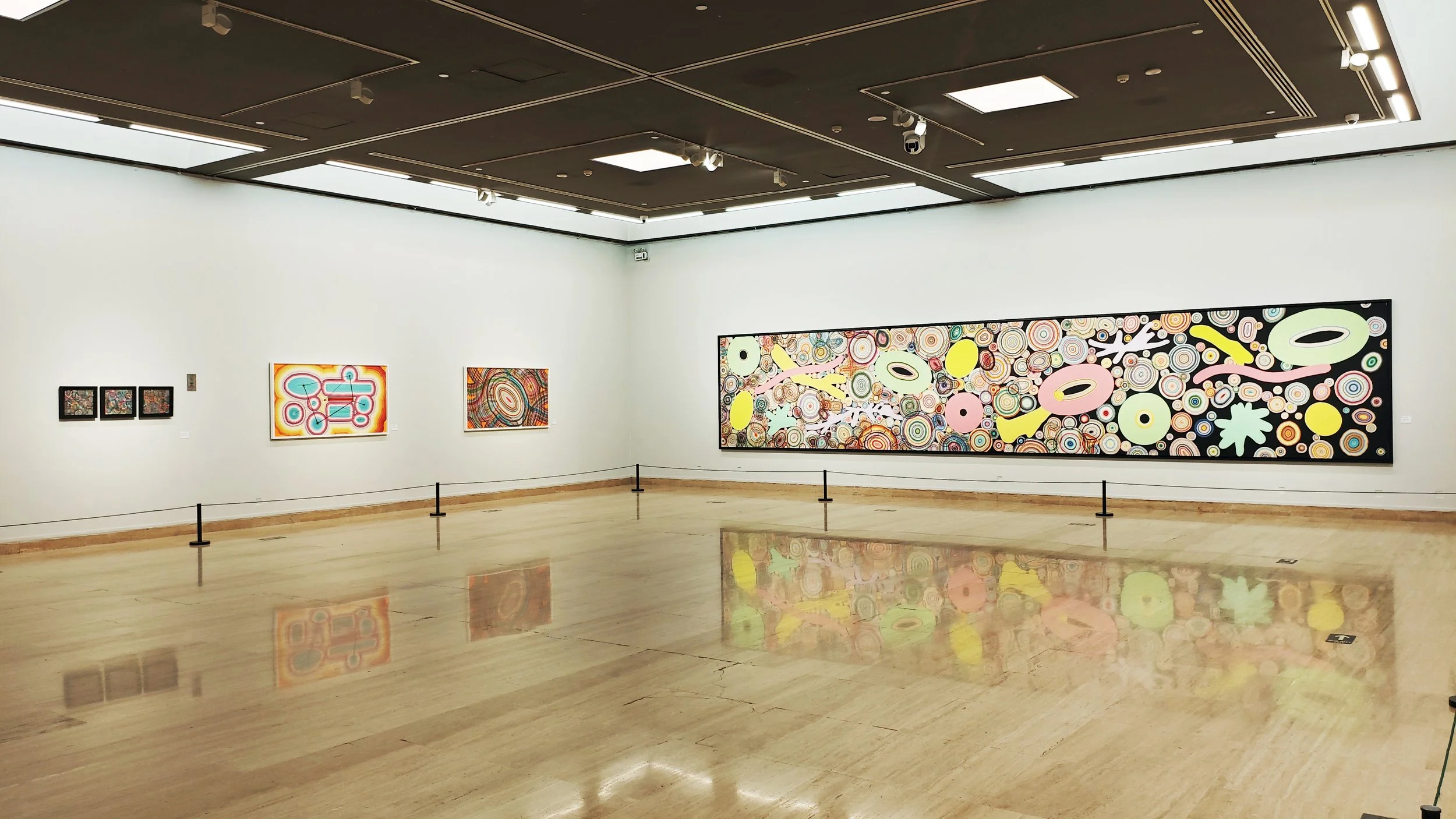
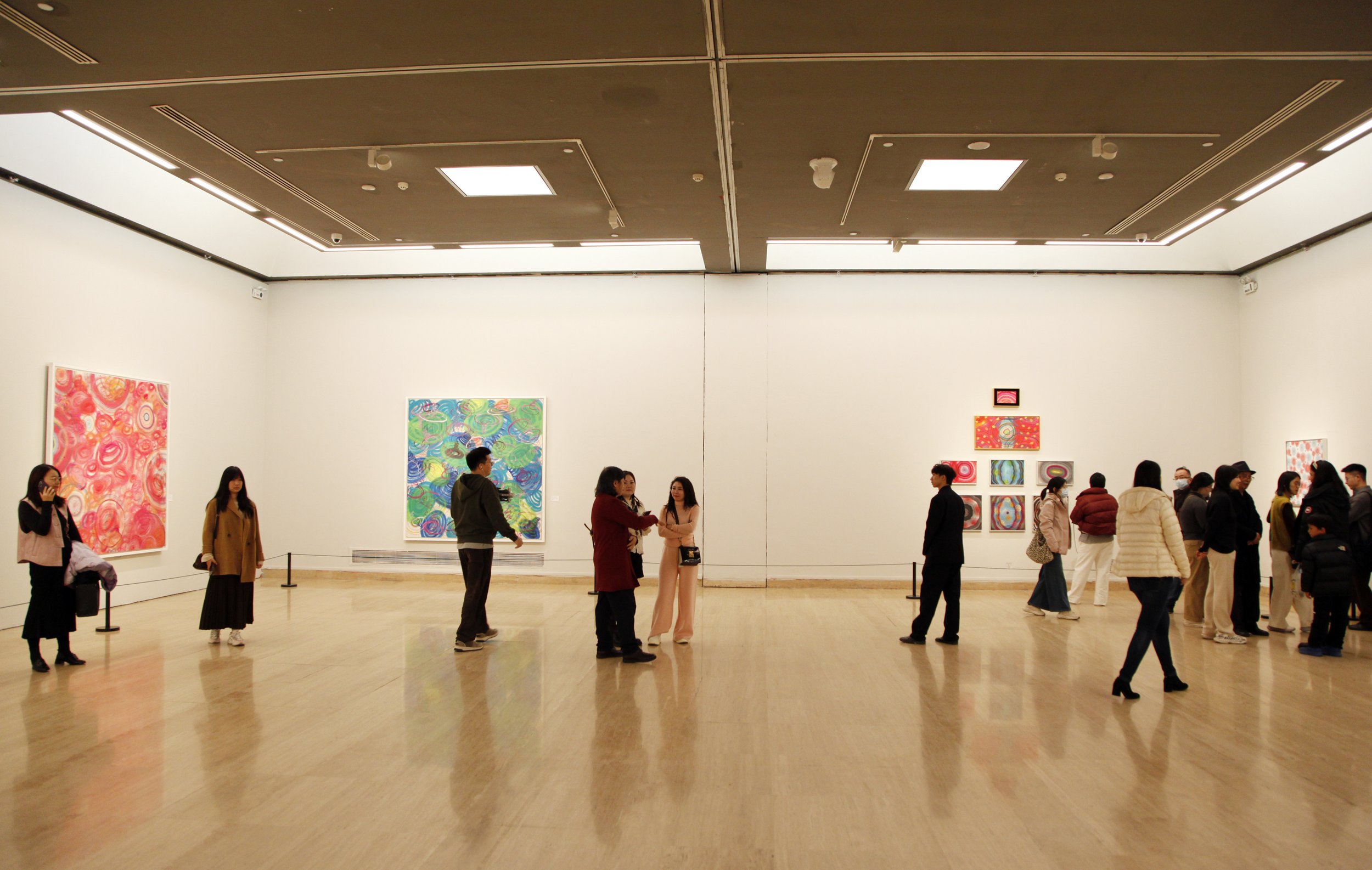
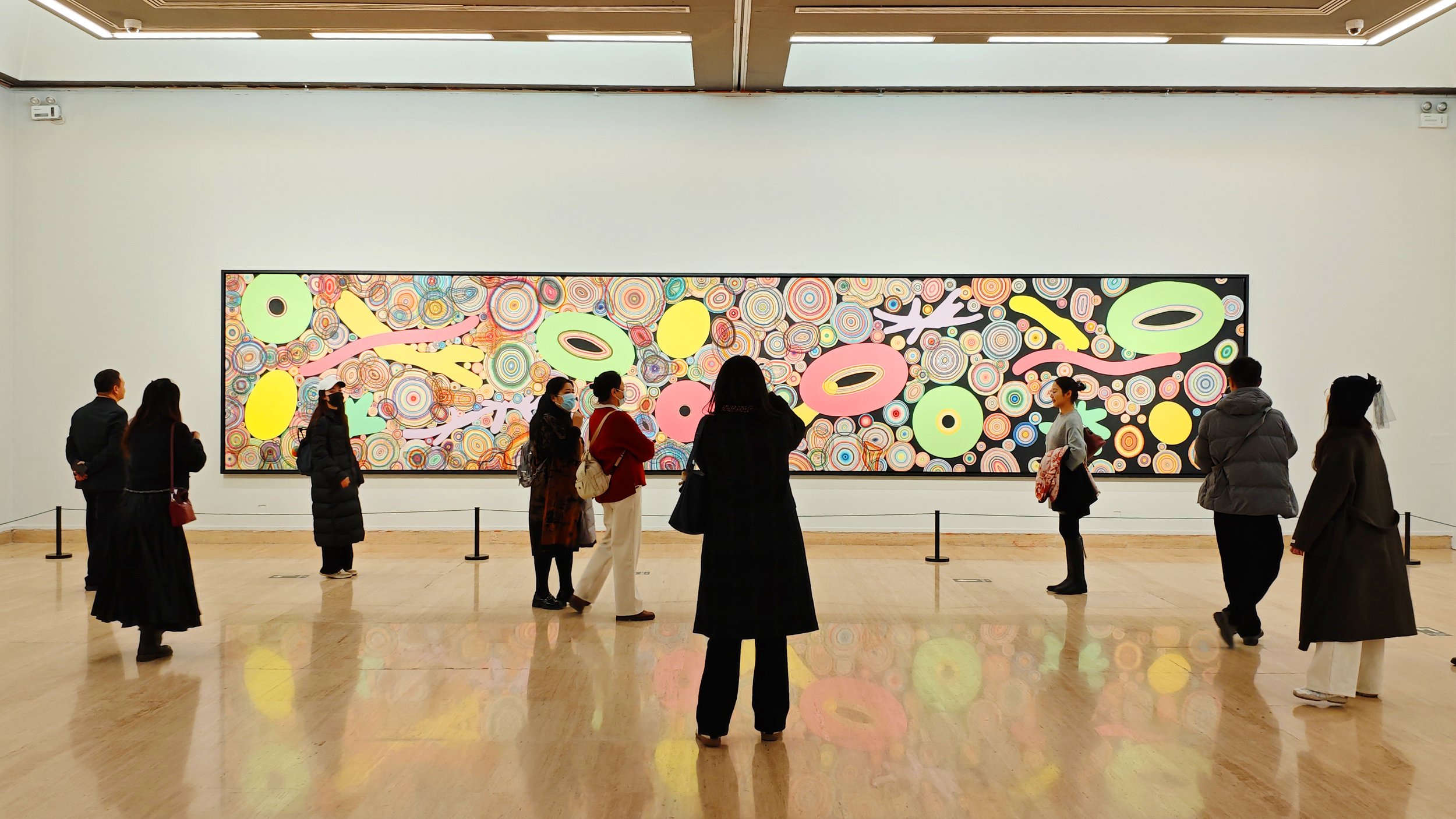
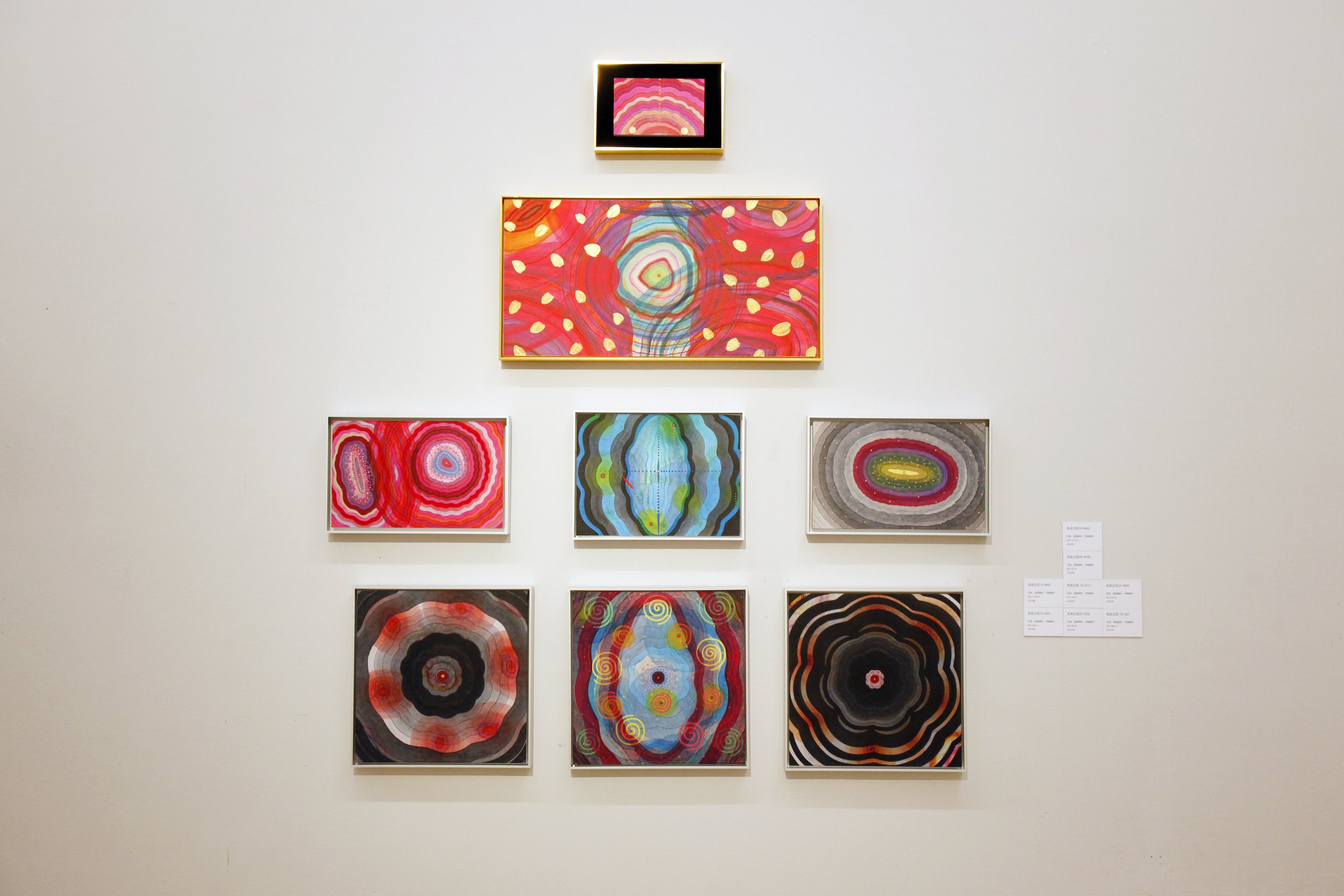
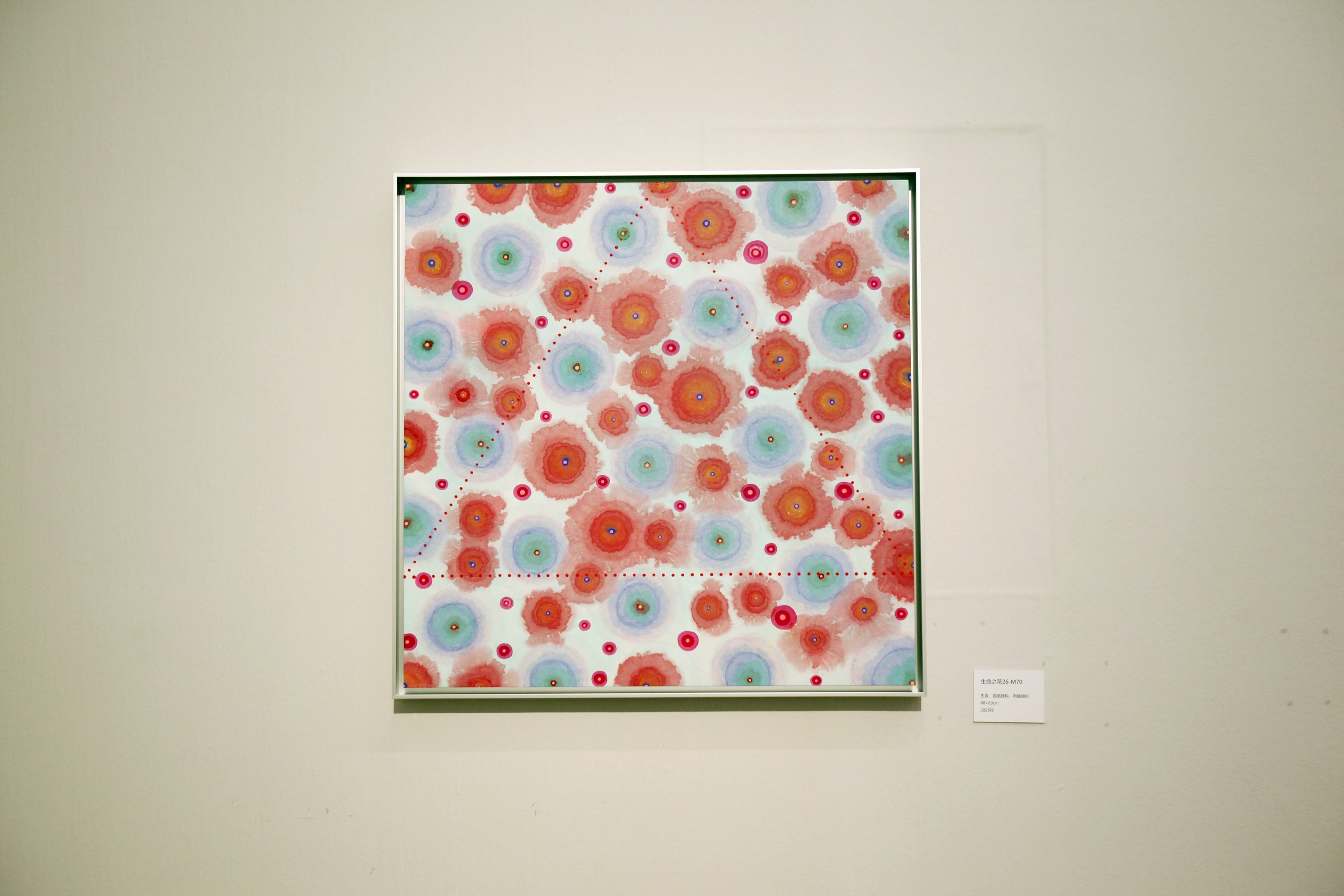
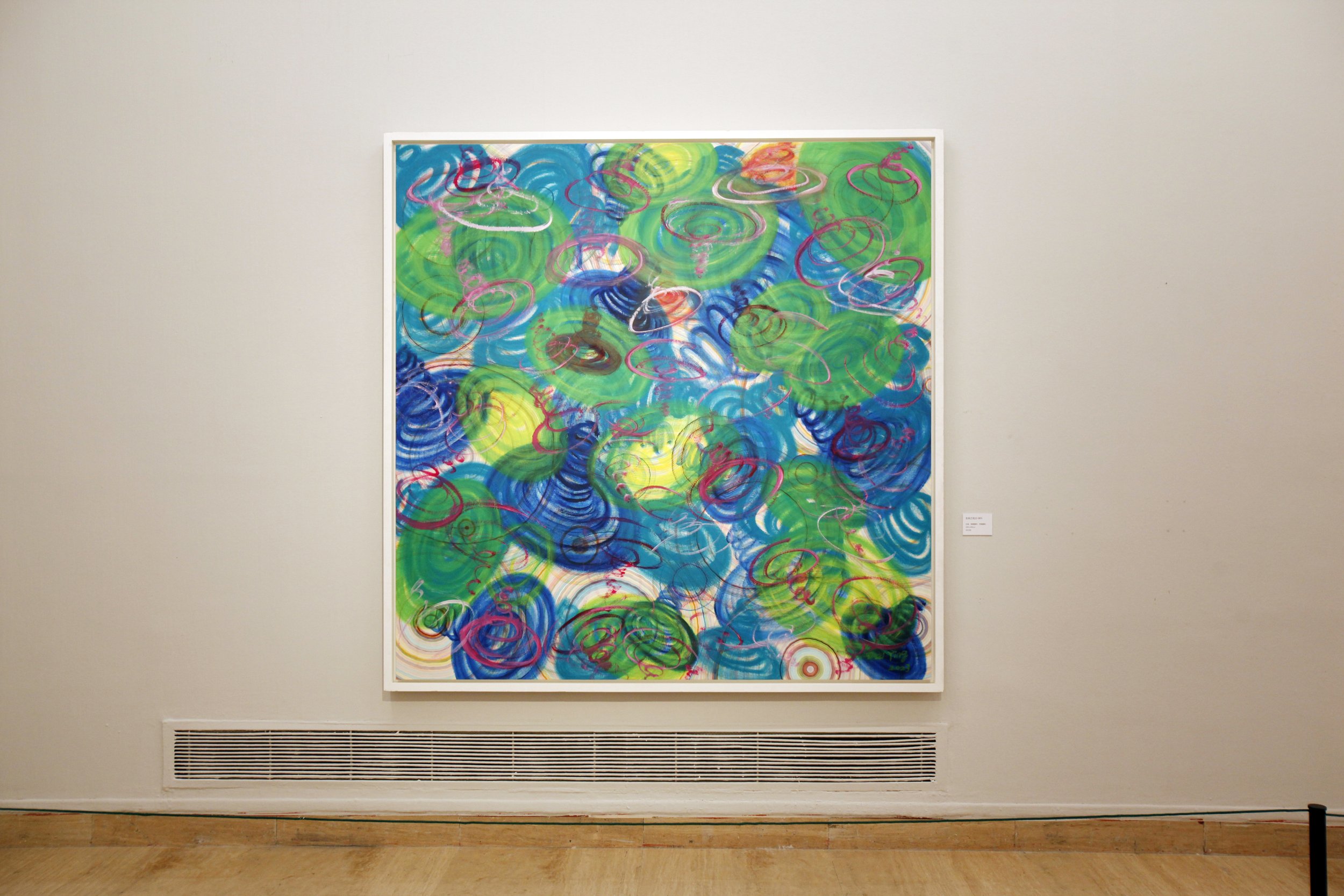
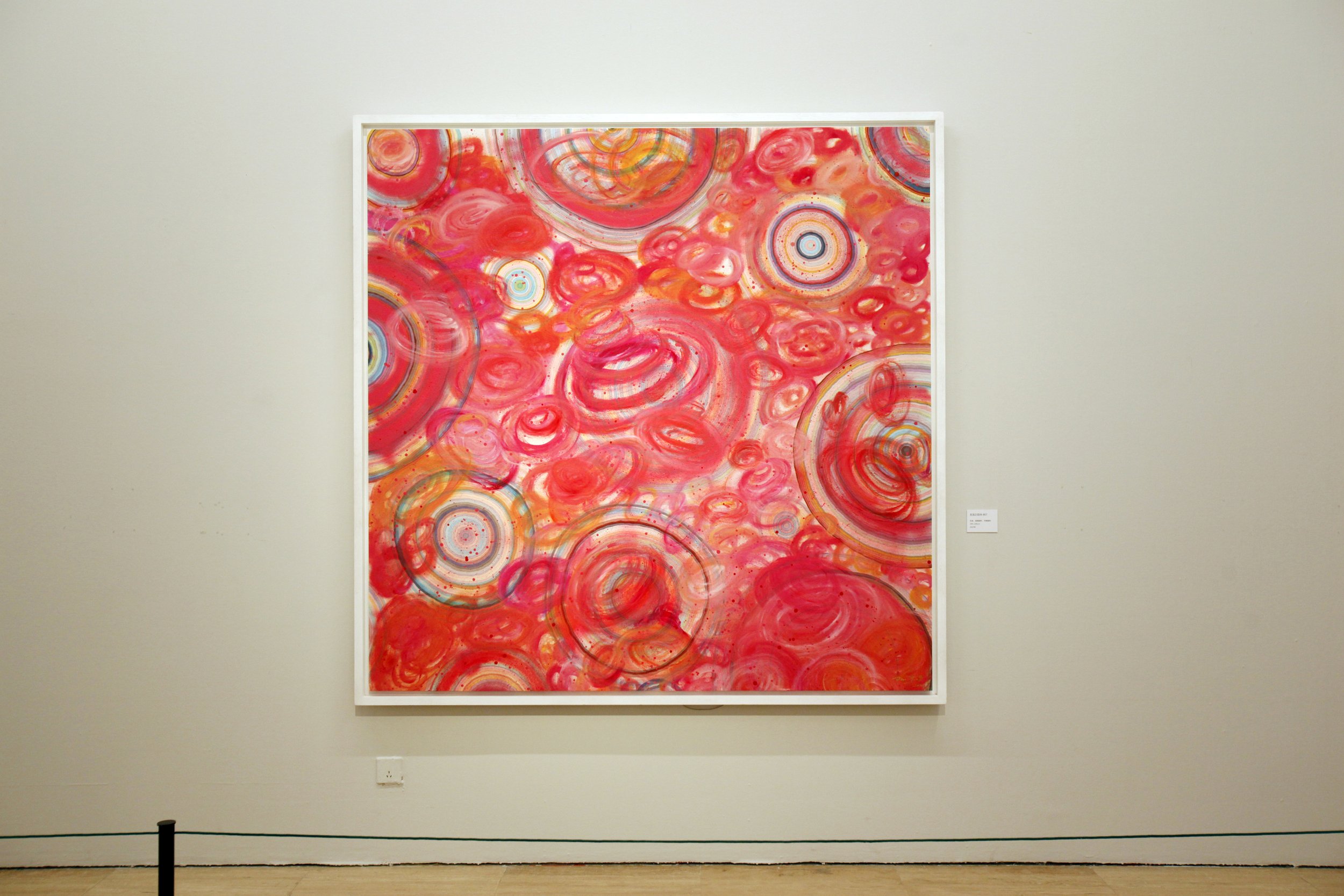
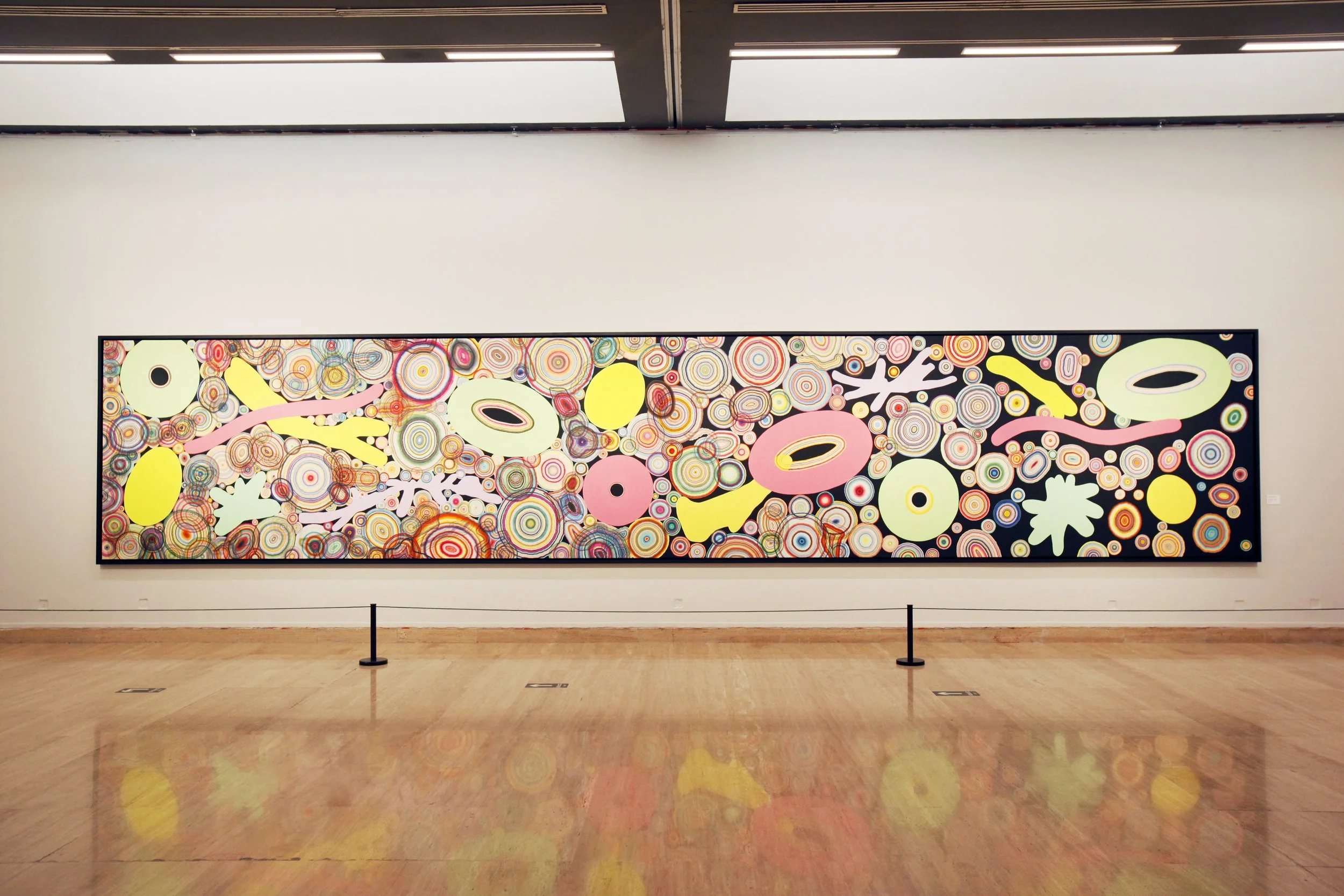
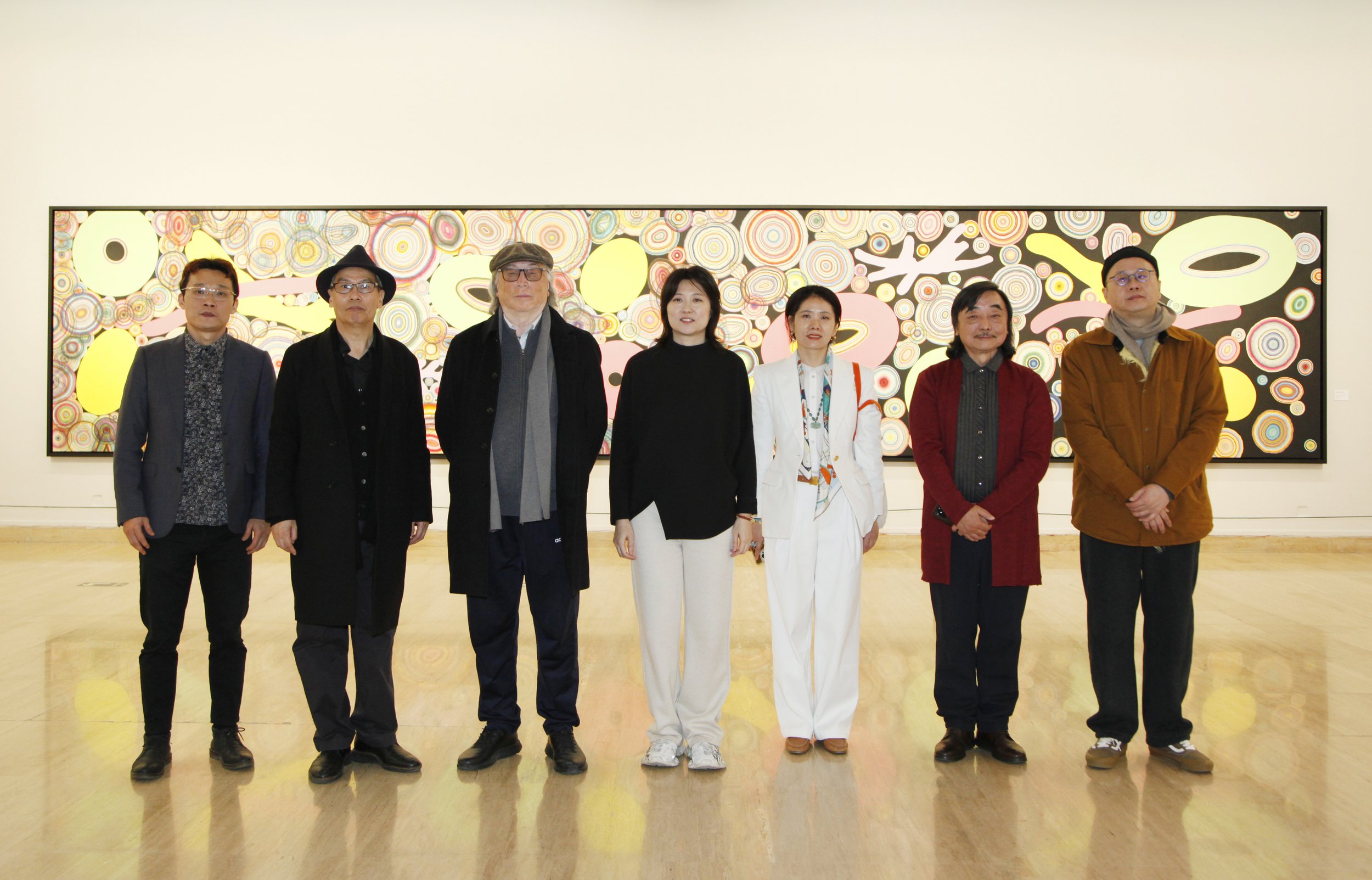
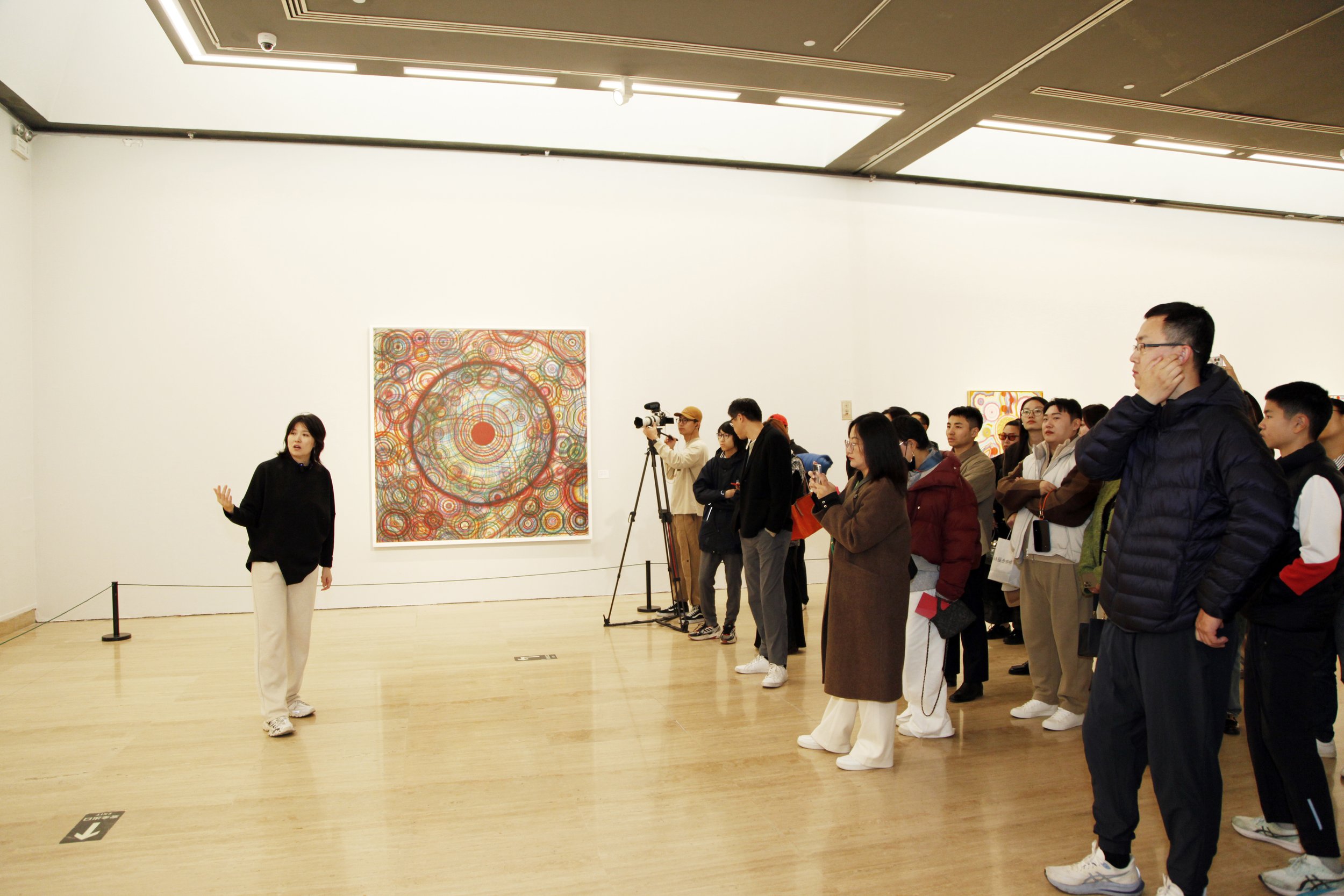
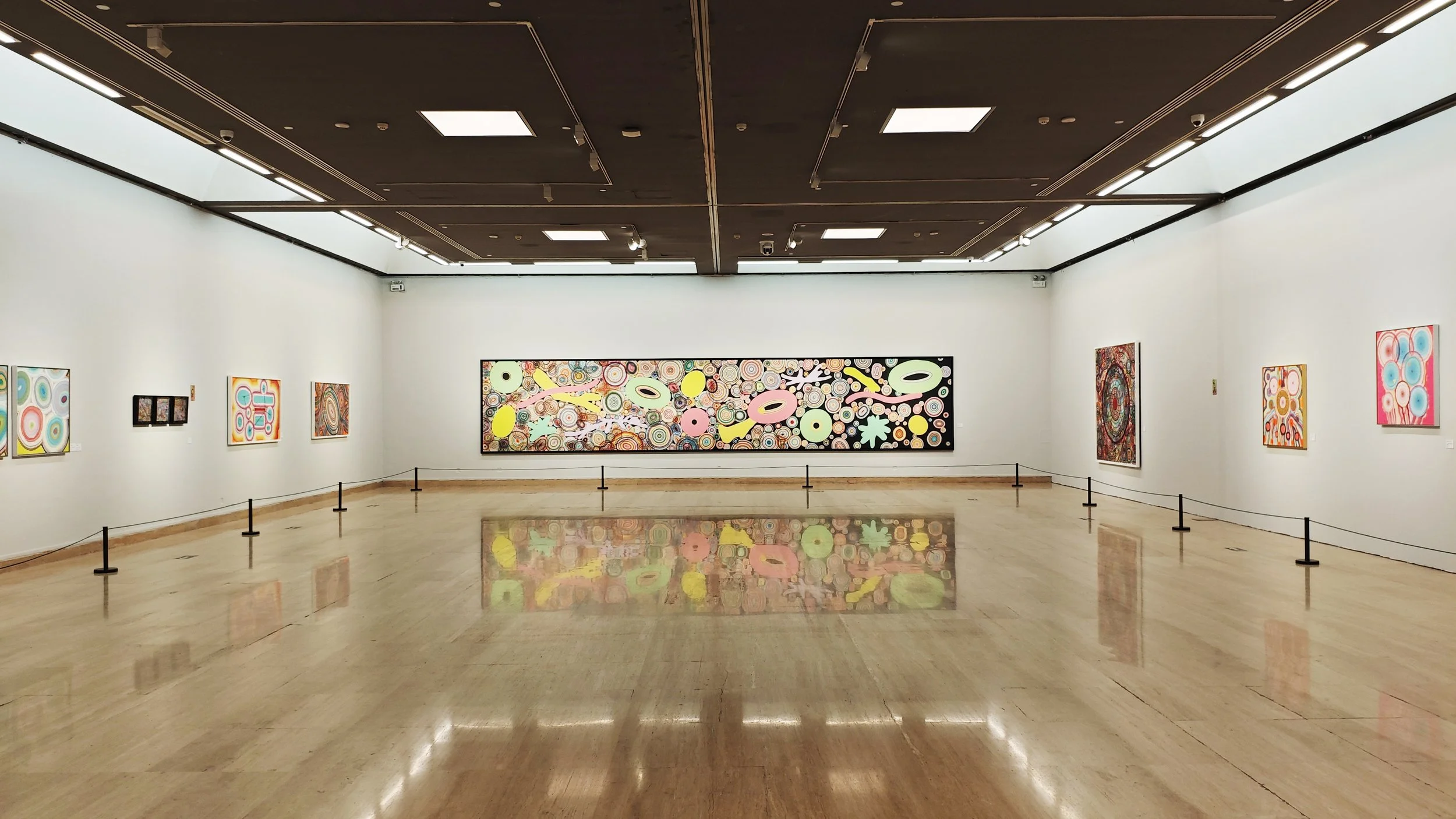
The solo exhibition “Endless Life – Works by Dai Ying” grandly opened at the National Art Museum of China on November 23, 2025, with renowned Chinese art critic Mr. Jia Fangzhou serving as the academic chair. This exhibition focuses on the artistic trajectory of Dai Ying over the past decade (2015-2025), bringing together 29 easel paintings and installations. Among them, a monumental ten-meter-long painting will be showcased once again, guiding viewers with its grand scale into a spiritual journey about life and energy.
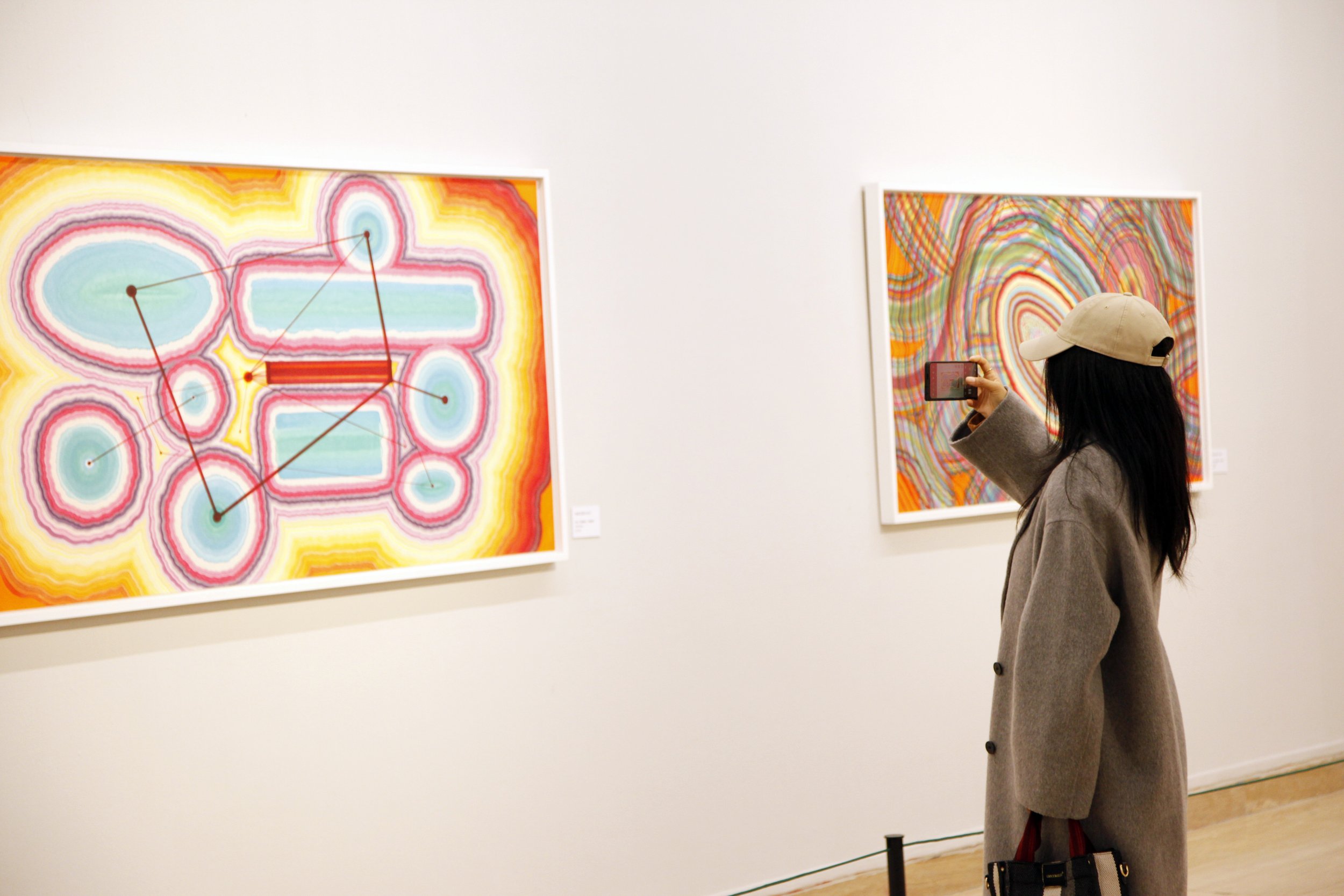
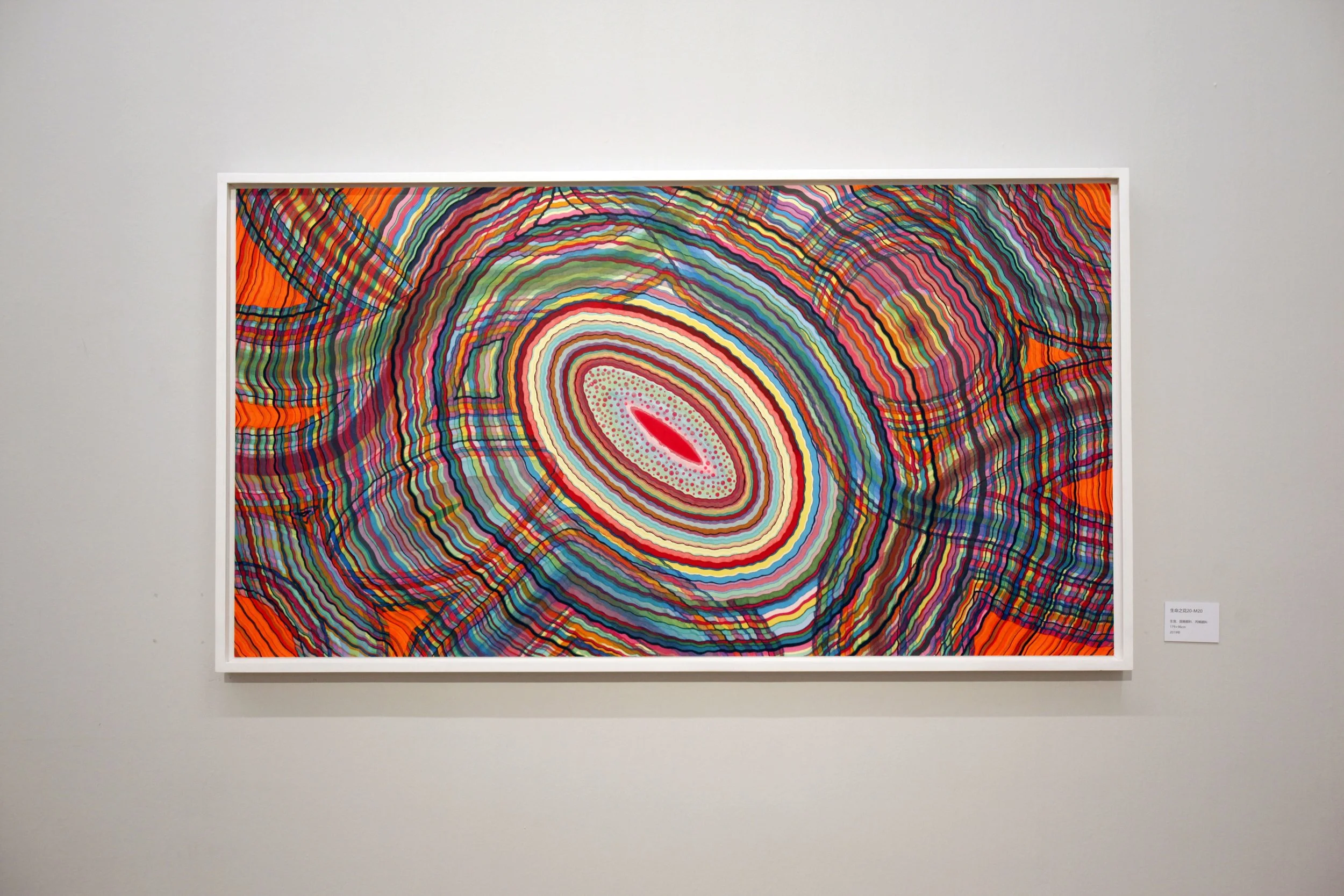
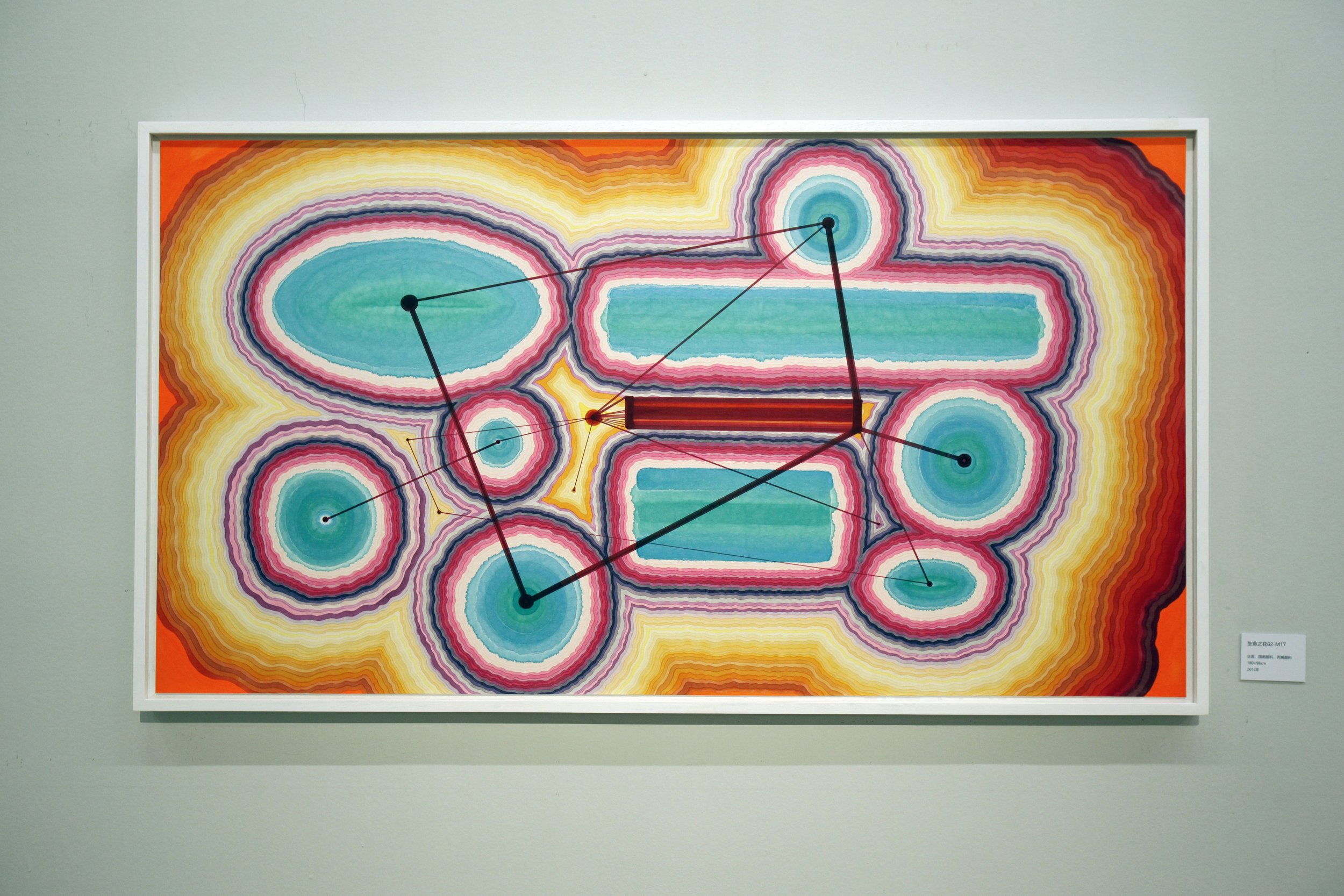
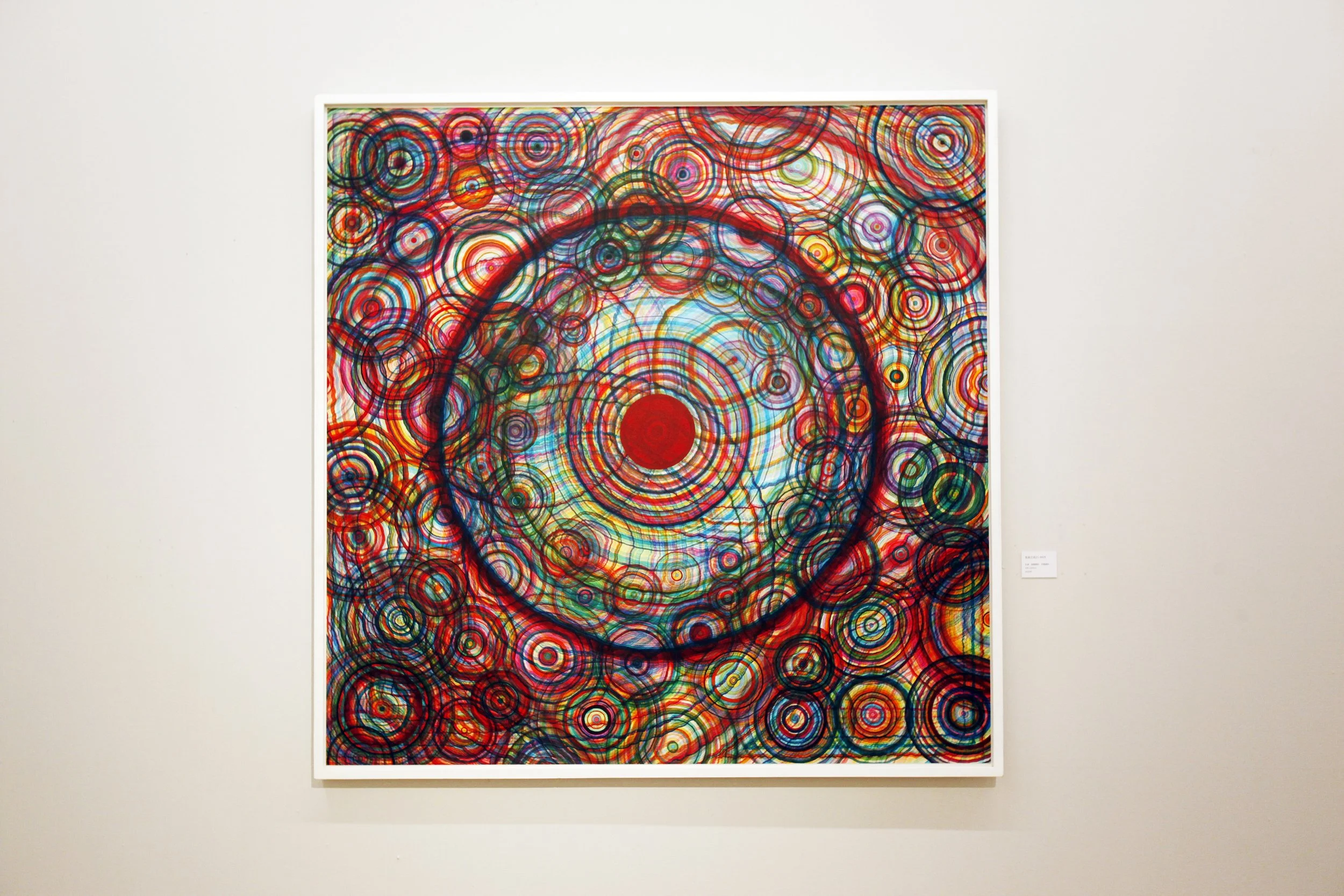
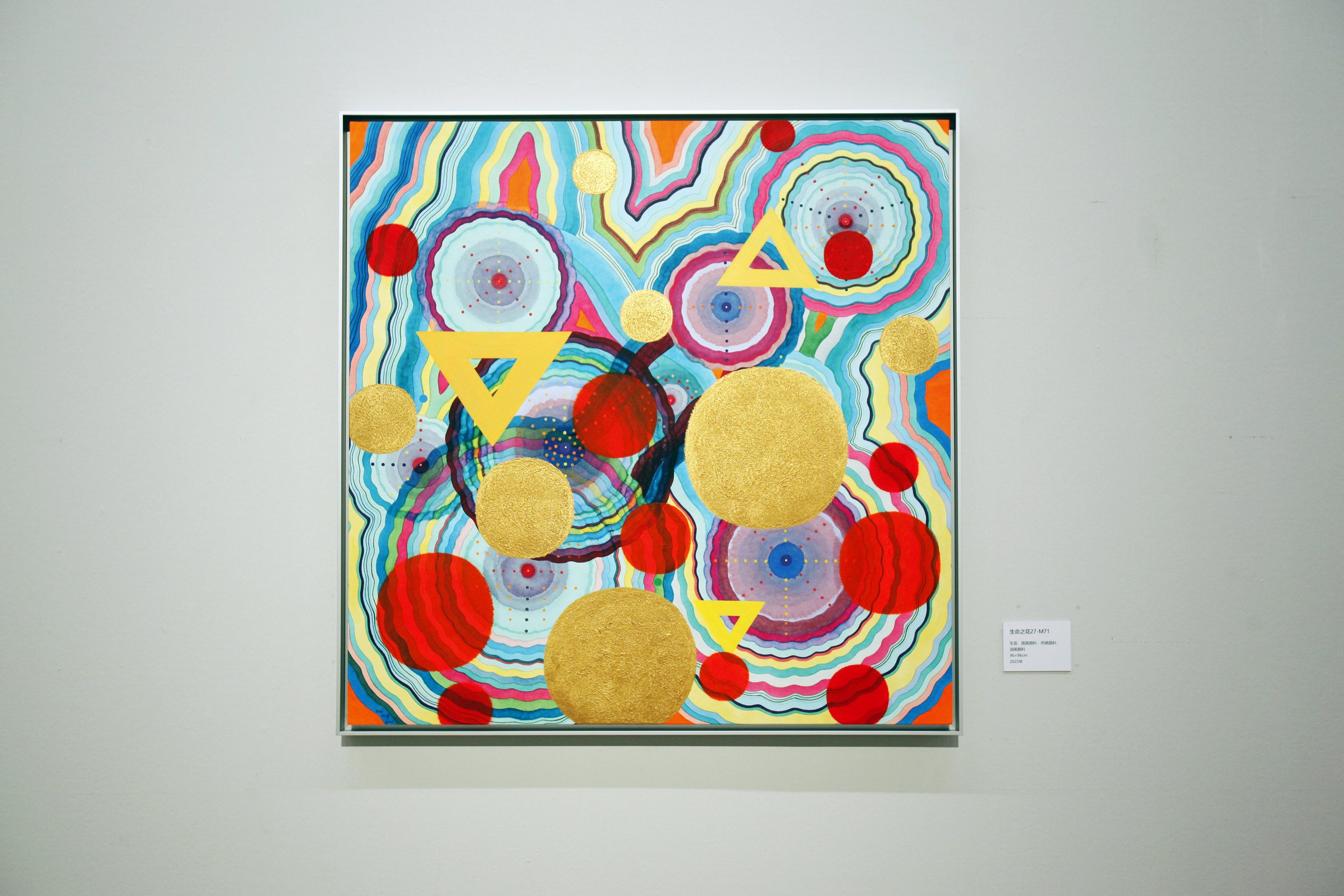
Dai Ying’s artistic practice is deeply rooted in Eastern philosophy. From a unique female perspective, she explores the hidden connections between contemporary social structures and the logic of cosmic life, emphasizing inclusivity, nurturing, and cycles. She transforms visual symbols such as the multi-layered accumulative staining of Xuan paper and spiral structures into profound metaphors for life. This not only expands the boundaries of contemporary expression in ink art but also constructs a unique visual system—bridging tradition and the contemporary, Eastern and Western aesthetics—that connects individual perception with the energy of life.
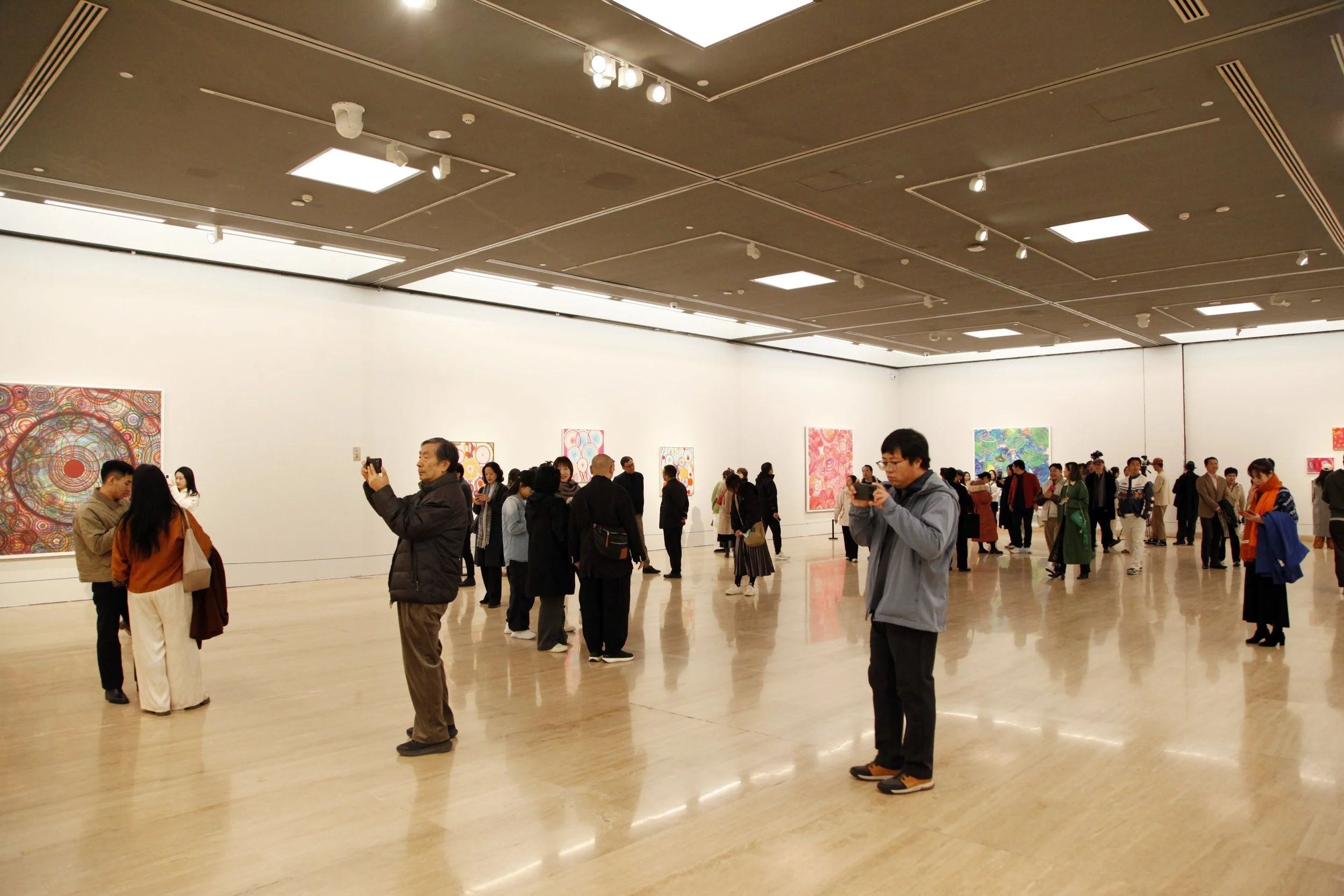
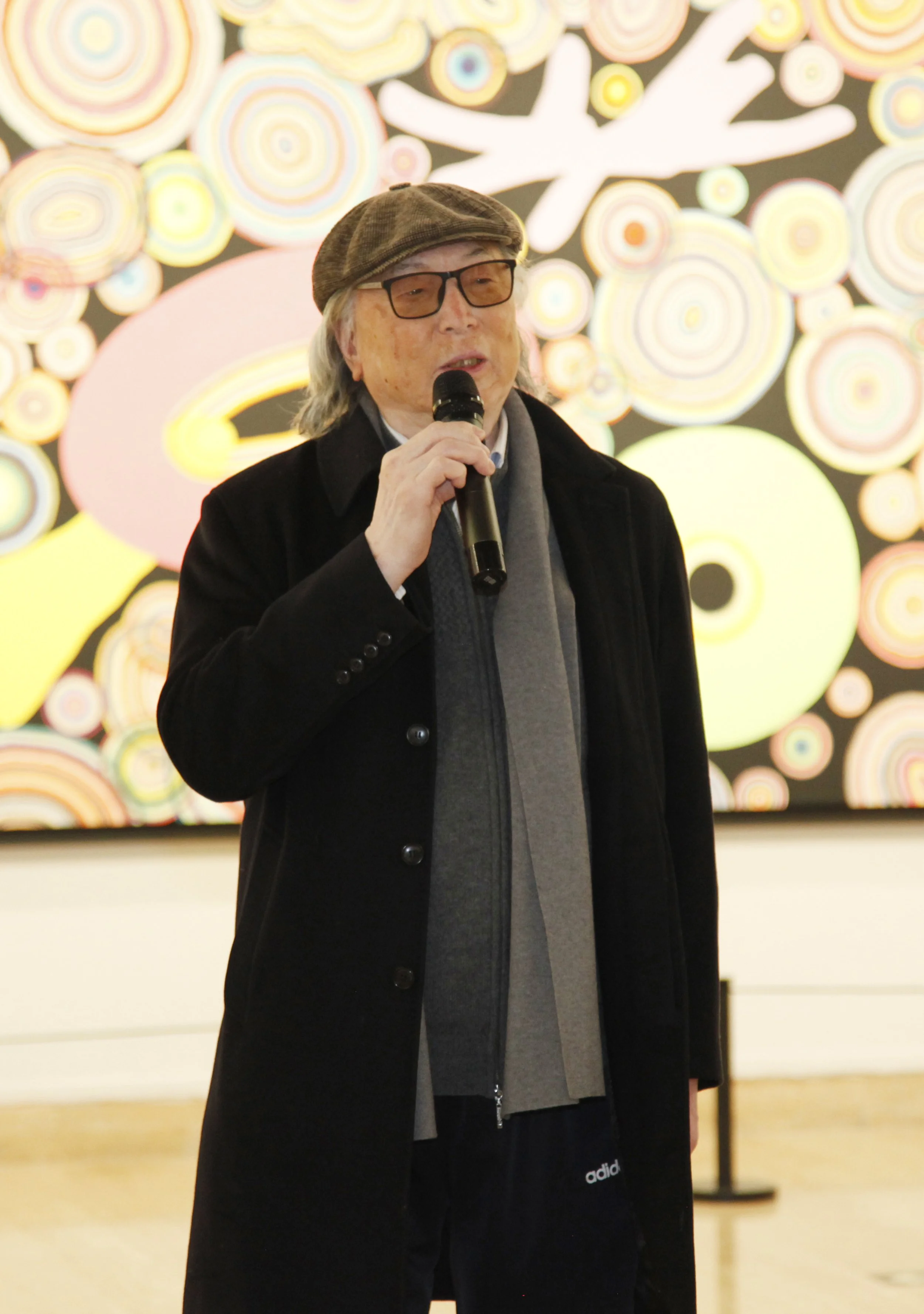
On the opening day, numerous scholars, collectors, and media guests from China’s contemporary art scene attended the ceremony. Mr. Jia Fangzhou, the academic chair of the exhibition and a renowned Chinese art critic, stated: “Dai Ying’s artistic practice is not only an expression of individual female experience but also a profound reflection on contemporary social issues. Through her contemplation of human destiny and existential dilemmas, her art transcends the boundaries of gender and culture, becoming a bridge connecting the individual and society, the self and the environment.”
Art critic Wang Duanting remarked: “Dai Ying introduces the colors of Western modernist formalist painting into her ink-wash and freehand brushwork, into a world of black and white, endowing her paintings with a dazzling, resplendent visual characteristic. Her works are gorgeous yet refined, possessing both brilliant colors and rationally controlled expression, showcasing distinct personal features.”
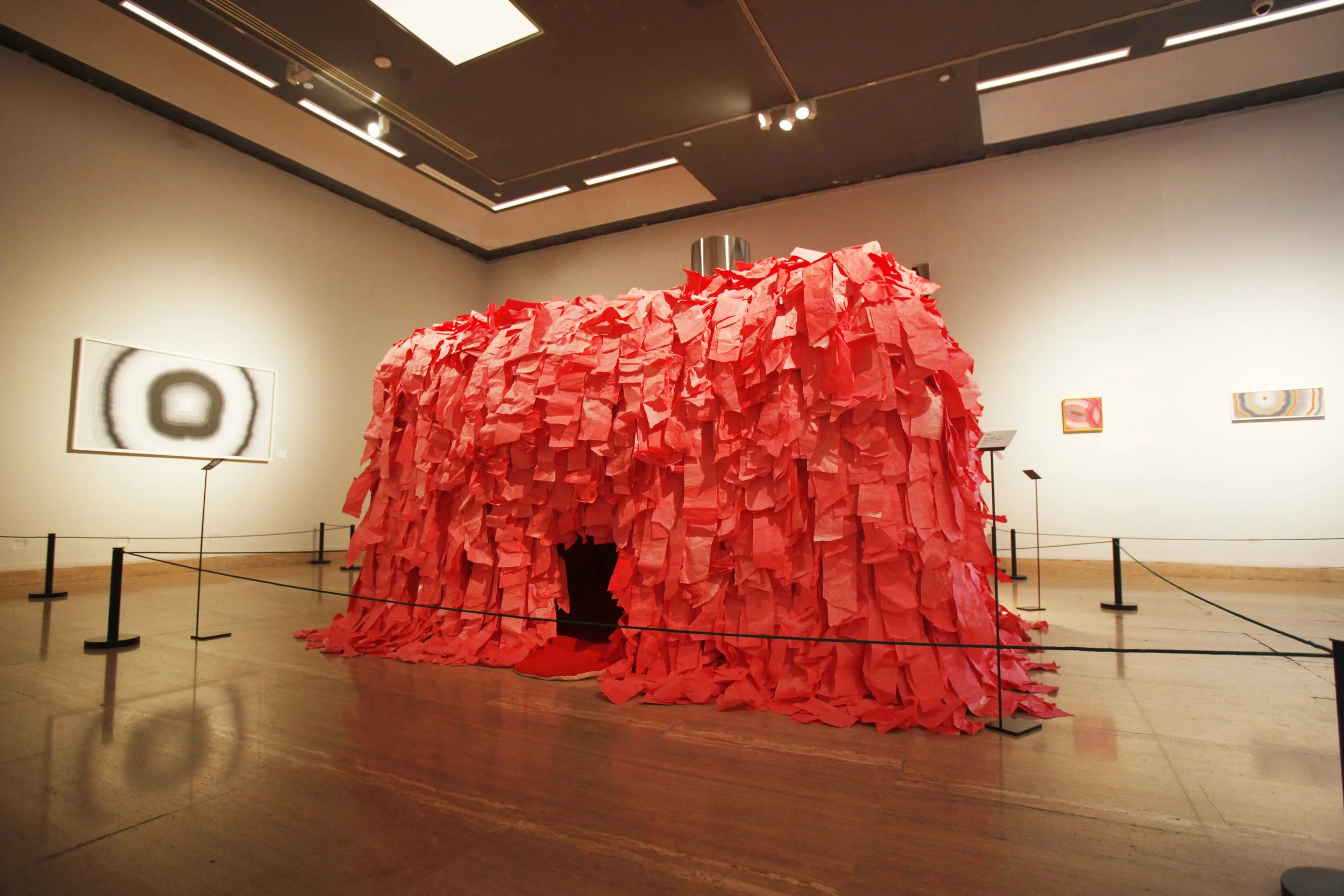
Art curator Sun Dongdong shared: “In 2020, I curated Dai Ying’s solo exhibition ‘For the Forgotten Memorial’ at the Today Art Museum. At that time, she used materials from ruins, such as old plastic bags and discarded furniture, to construct installations, combined with media like Xuan paper and acrylic, reflecting a reinterpretation of traditional materials. She also explored the relationship between individual and public memory through painting and installation. I remember visiting her studio in Beijing then and being deeply moved by her pure pursuit of art.”
Art critic Du Xiyun commented: “Dai Ying’s female subjectivity is evident from her early works. Her feminist consciousness emerged very early. Her independence, her self-reliance, and her search for her own distinctiveness in comparison with other artists all demonstrate her consciousness as an artist. Her creative practice includes not only painting but also installation and performance art. She consistently focuses on our rapidly changing era, connecting her works to the issues that cause us pain in this time, and finally expressing them through aesthetic means. All this left a deep impression on me.”
Art critic Duan Jun expressed: “Artist Dai Ying possesses strong feminine qualities, but in my view, she is not a ‘female artist’; she is an artist with feminine traits. In fact, the development of women’s art in China today, I believe, is no longer confined to the level of using ‘female art’ to fight for women’s rights as in the past. Her creations encompass both the ‘small self’ related to her individual life experiences and a profound concern for the multitude, which is the ‘greater self’.”
Art critic Ge Xiuzhi said: “In Dai Ying’s paintings, we see works closely linked to life—as gentle as water yet as firm as a mountain. It’s like the incredibly powerful force of a mother supporting life that underpins her creative work.”
Lin Xu, Vice Chairman of the Leshan Artists Association, Director of the Emeishan Painting Academy, and Vice Chairman of the Emeishan Federation of Literary and Art Circles, stated: “Dai Ying’s works are a fusion of water, ink, color, and paper; a reorganization of dots, lines, planes, and time. They navigate within dimensions, giving rise to new dimensions. I remember when I first taught her painting, we started with lines. Seeing her works today, she has deeply integrated the lines of Chinese painting into her memory. At the origin of the source, she ignites the light of life.”
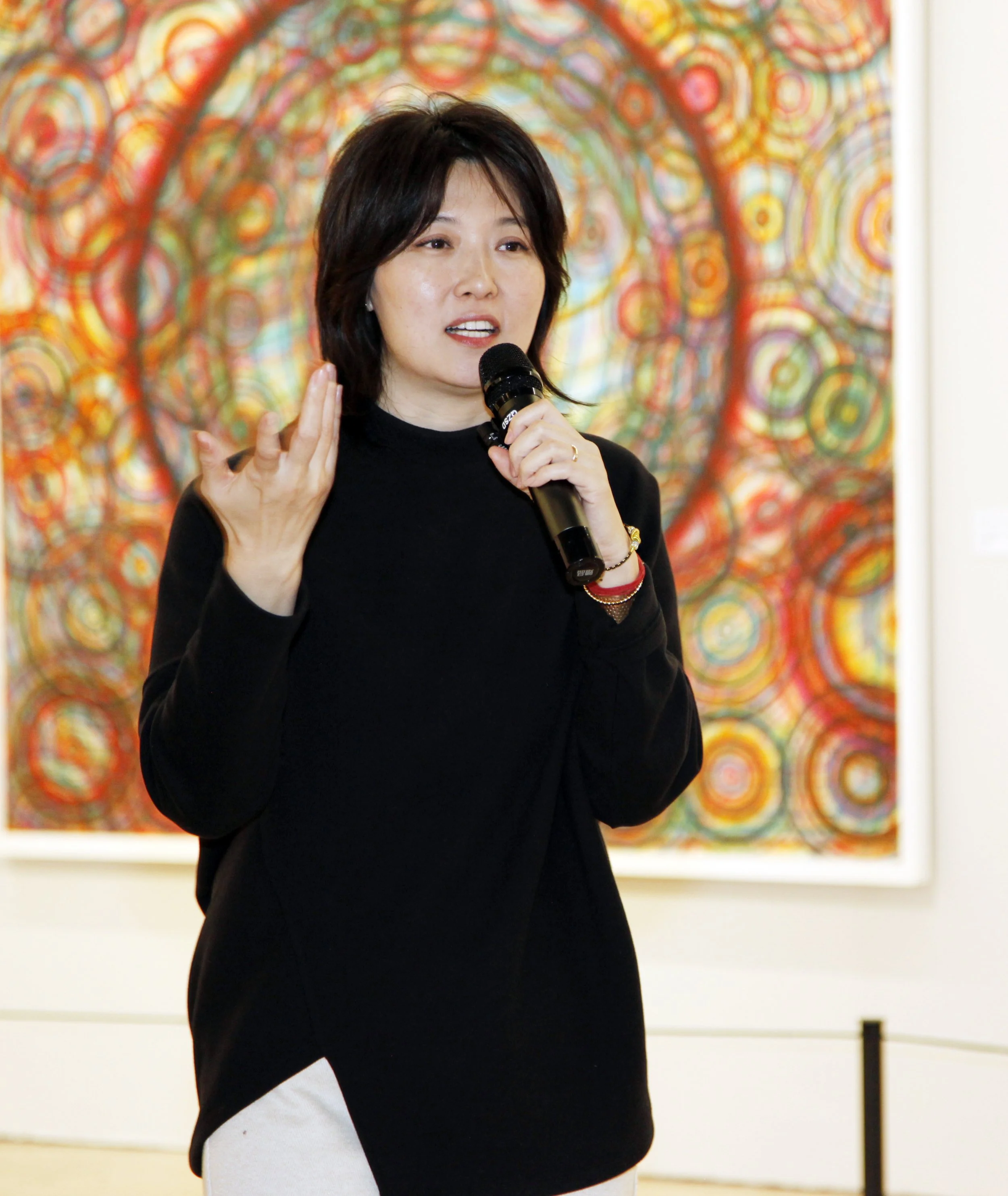
Artist Dai Ying expressed: “This exhibition presents a small selection of my easel paintings from 2015 to 2025 and one installation work. These ten years have not been easy for anyone, as we went through a special period and experienced many ups and downs of life. Personally, I experienced the passing of my father, my return to China from New York, USA, among other things—all significant events in life. So, I have expressed the life experiences of this decade through my works.”
Dai Ying’s artistic journey began with a profound foundation in Eastern tradition. The artist started systematic training in traditional Chinese calligraphy and ink painting at the age of five. Later, during her advanced studies at the Academy of Arts, Tsinghua University, she was systematically exposed to contemporary art. In 2011, she went to New York to pursue her artist’s dream. This cross-cultural learning experience spanning East and West enabled her, after returning to China in 2017, to gradually develop a unique language that integrates Eastern spirituality with contemporary visual expression.
Dai Ying has a deep understanding of the characteristics and expressive boundaries of traditional materials. Using raw Xuan paper and silk as her base, she blends mineral pigments, ink, with acrylic and oil paints. Through methods like multi-layered staining, she expands the expressive power of ink. She translates natural and mental imagery into symbols of life via a vibrant color palette, creating works that possess both the inherent “spiritual resonance” and “poetic quality” of Eastern aesthetics—the misty, atmospheric quality of ink—while also reconstructing abstract order through layered color fields. Building upon multiple expressive mediums, she accomplishes a contemporary translation of the Chinese cultural lineage and also unfolds a profound interpretation of life’s cycles and energy circulation from a female perspective.
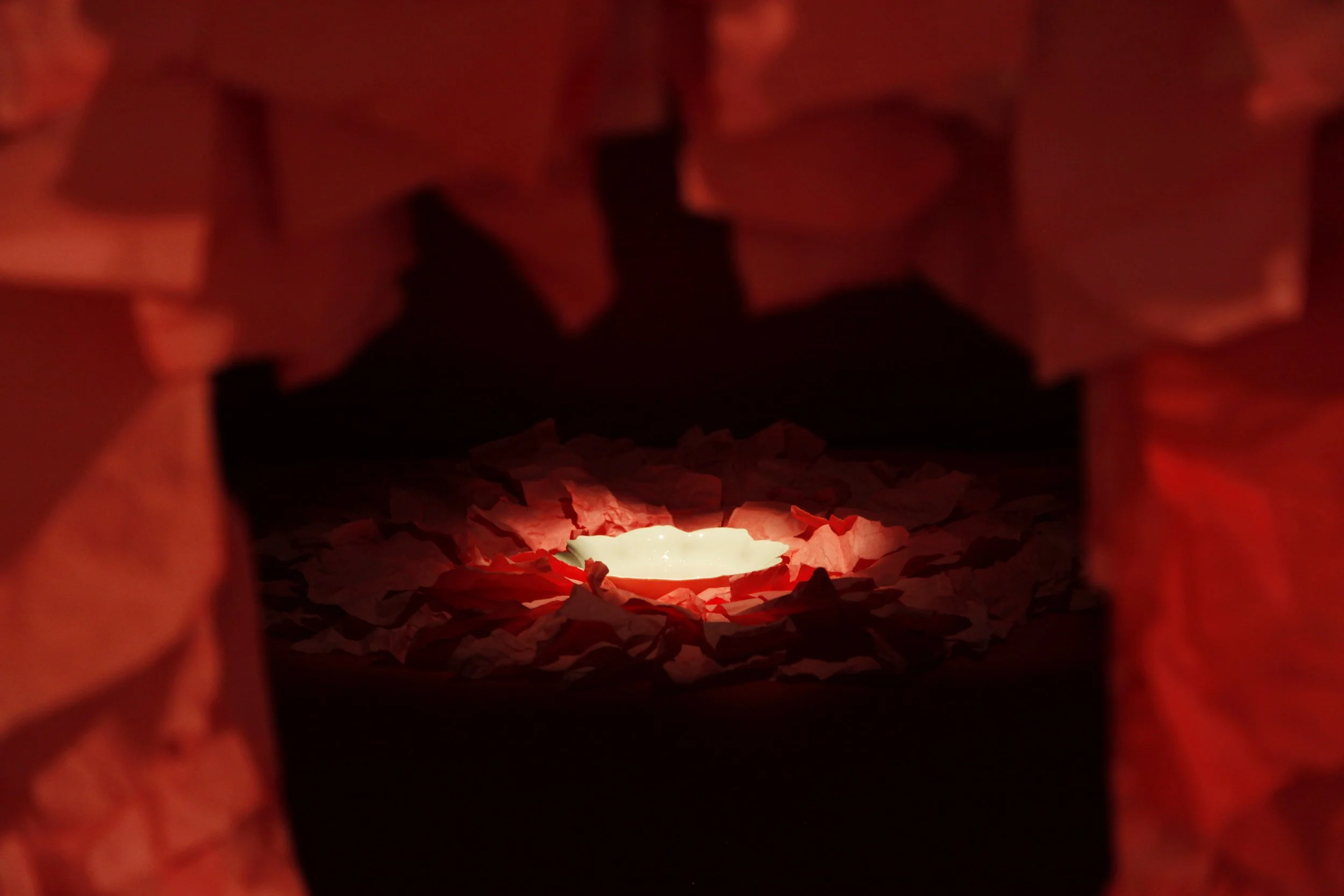
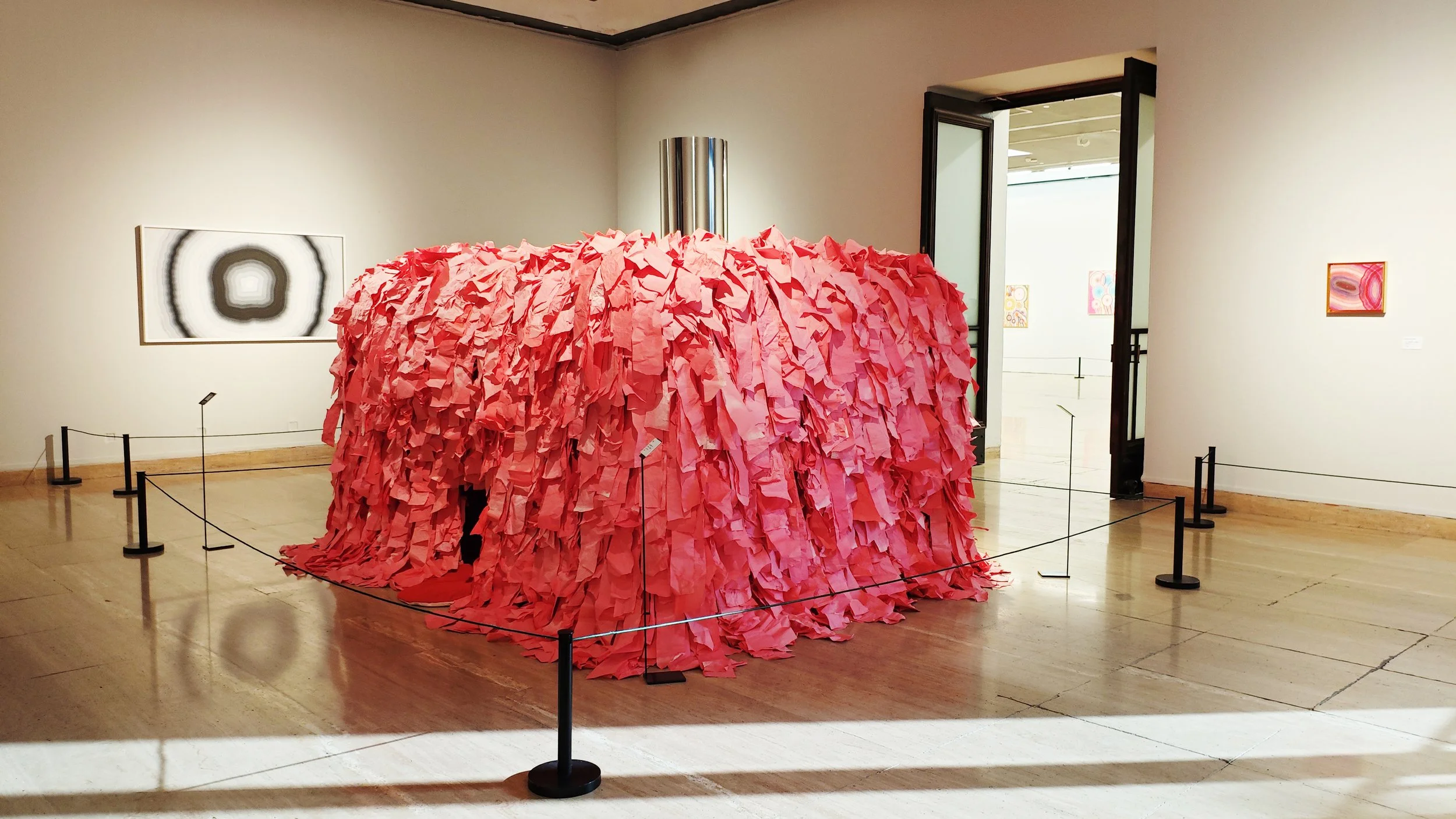
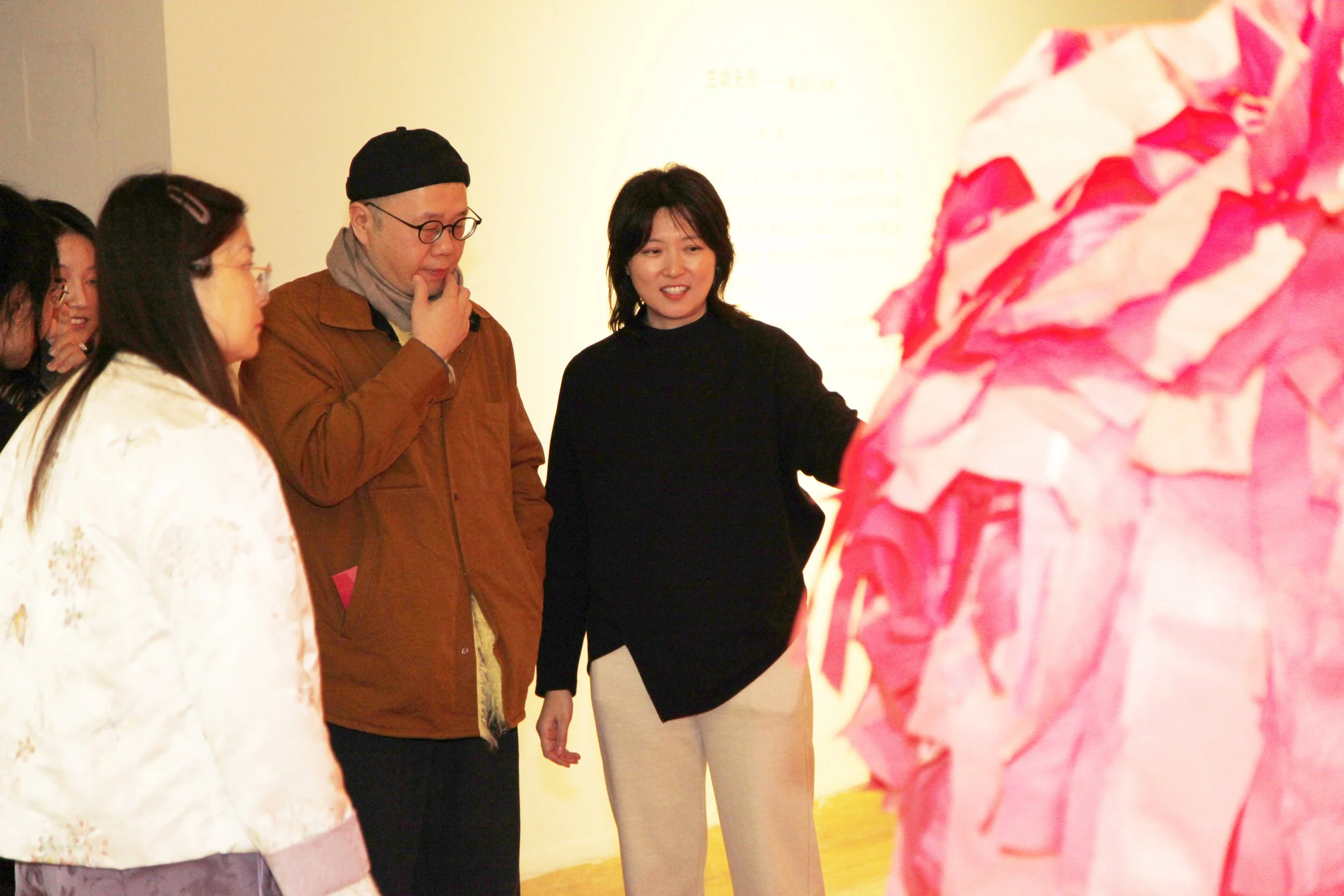
In her diverse, cross-media practice, Dai Ying further extends her artistic vision from individual experience to broader humanistic concerns. She not only explores the internal cyclical logic of life but also directs her gaze towards structural issues in contemporary society and the living realities of ordinary people. The installation work in this exhibition, created with layers of Xuan paper dyed with Chinese pigments, reflects her deep reflection and care for human life and existence. This allows her creations to no longer be confined to the internal narratives of the personal and gendered but to gradually construct a conscious link connecting the individual and the collective, the self and society.
Dai Ying’s solo exhibition “Endless Life” at the National Art Museum of China is not merely a visual arrival but also a spiritual homecoming. With layered colors and cyclical imagery, Dai Ying weaves life’s vistas upon Xuan paper and canvas. As we pause before those profound spirals and gaze at those colors that seem to still be breathing, perhaps we can hear the whispers from the depths of the earth and feel the eternal, warm rhythm of life itself. Within the enchanting color fields and flowing brushwork, a journey of self-aware awakening to life is completed. Here, art ultimately transcends form, becoming that beam of light which illuminates the true essence of life.